
Improving Fleet Safety, Reducing Risk, and Enhancing Productivity
Preventative Safety System for Collision Avoidance
Kept Companies, a respected family of service-oriented businesses, selected Auto Action Technologies (AAT) as its dedicated fleet implementation partner to advance safety and operational excellence across its divisions.
When its mobile power washing division began facing safety challenges related to the handling of heavy, water tank-loaded vehicles, Kept turned to AAT for a reliable, data-driven collision avoidance solution that would improve driver awareness, minimize downtime, and strengthen community safety.

Key Project Details
Client | Kept Companies |
Fleet Size | Multi-division commercial service fleet |
Vehicle Types | Water tank trucks, service vans |
Solution | Radar-based Forward Collision Alert (FCA) System |
Technologies Used | AI-powered radar sensors, driver alert interface |
Services Provided | Design, calibration, installation, driver training |
Impact | Reduced collisions, lower insurance costs, improved uptime |
Challenge
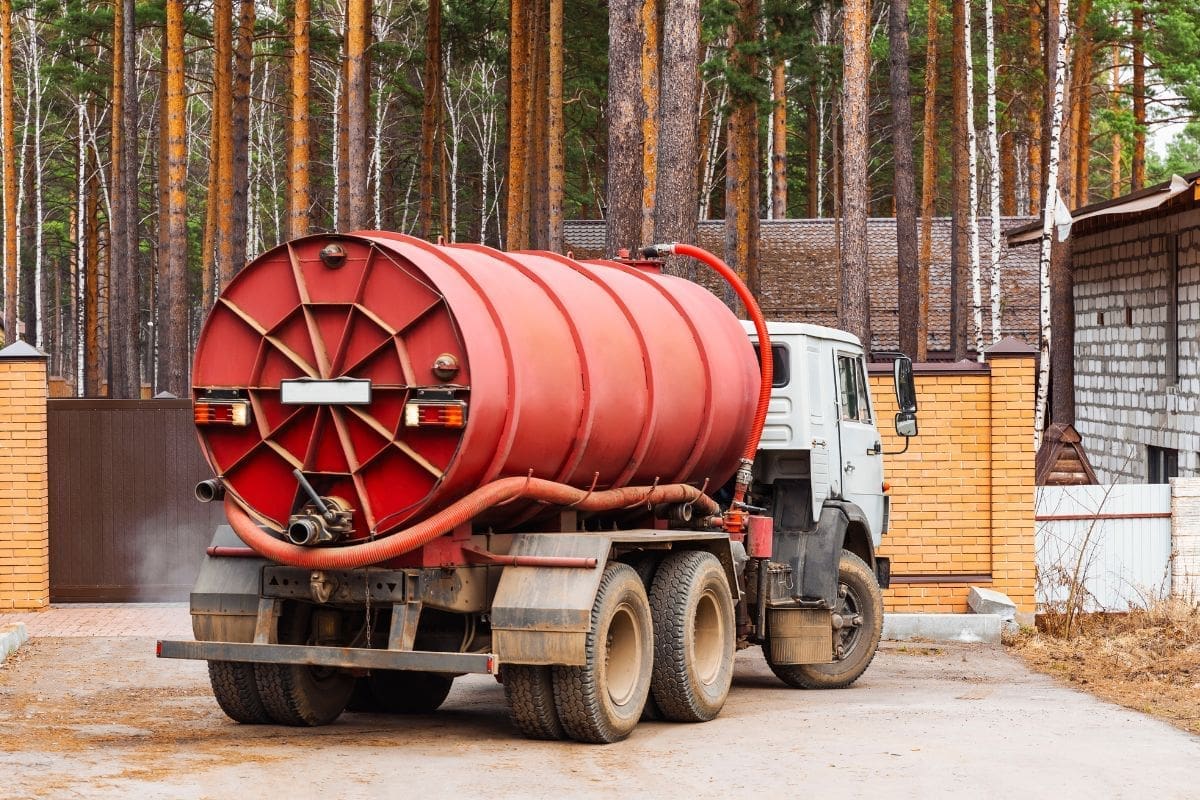
Kept’s mobile power washing vehicles routinely transport large, dynamic water tanks.
The shifting weight within these tanks created instability during acceleration, braking, and cornering — significantly increasing the likelihood of rear-end collisions and loss of control.
Primary challenges included:
- Increased accident risk from load shift and extended braking distances
- High insurance premiums due to frequent minor collisions
- Lost productivity caused by vehicle downtime and repairs
- Safety concerns for drivers operating in densely populated service areas
Kept needed a partner capable of delivering a technically advanced, cost-effective safety system that could be installed across its fleet without operational disruption.
Solution: Radar-Based Forward Collision Alert (FCA) System
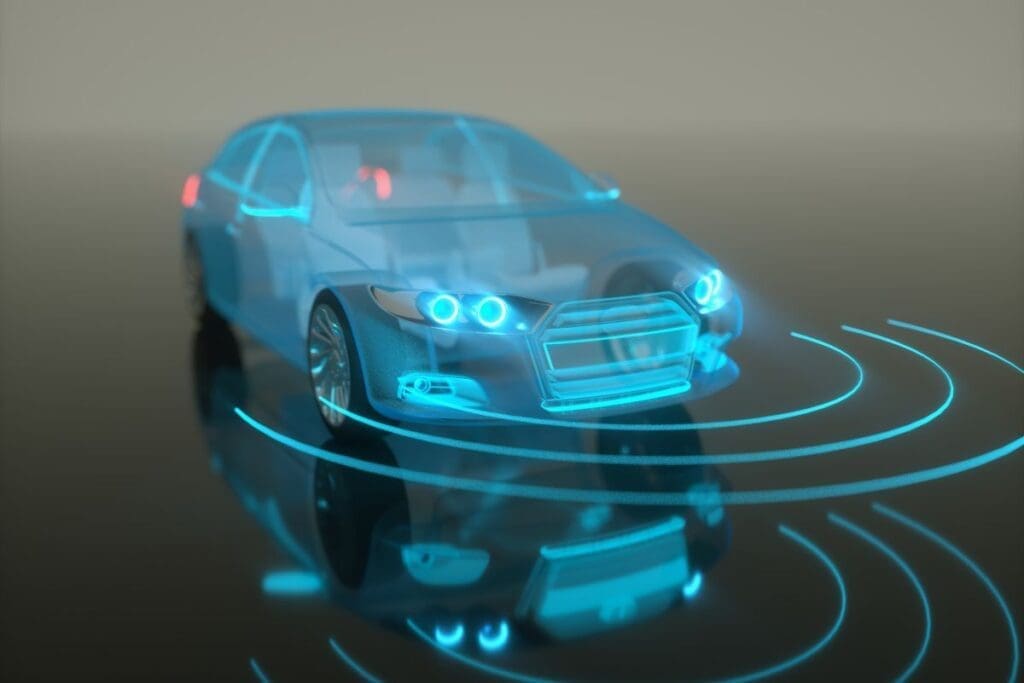
Auto Action Technologies deployed radar-based Forward Collision Alert systems across Kept’s fleet to improve driver awareness and reduce collision risk.
System Highlights:
- Real-Time Collision Alerts: The FCA system continuously monitors vehicle distance and speed, issuing audible and visual alerts when potential collisions are detected.
- Load-Adaptive Sensitivity: Custom calibration optimized alert timing to account for water tank weight shifts and braking patterns, improving responsiveness and safety.
- Seamless Integration: Installed without interrupting fleet operations, with AAT’s certified technicians providing on-site service at multiple Kept locations.
AAT’s technical team conducted on-vehicle testing and system calibration to ensure every installation performed consistently under Kept’s operational conditions.
Results
The implementation of radar-based collision avoidance technology produced measurable improvements across safety and operational metrics:
- Fewer Collision-Related Incidents: Significant reduction in rear-end and braking-related accidents within the first 90 days.
- Reduced Insurance Claims and Premiums: Lower incident frequency improved Kept’s overall safety score and insurance cost profile.
- Increased Vehicle Uptime and Service Continuity: Fewer repairs and downtime allowed Kept to maintain higher vehicle availability and meet service commitments.
- Improved Driver Awareness and Confidence: Real-time alerts and training sessions helped drivers anticipate hazards and maintain safe following distances.
- Enhanced Community Protection: Fewer on-road incidents improved public safety and strengthened Kept’s reputation as a responsible operator.
Client Testimonial
Conclusion
By installing Forward Collision Alert systems, Auto Action Technologies helped Kept Companies address a major fleet safety concern — reducing costs, minimizing downtime, and improving overall driver and community safety.
This project demonstrates AAT’s ability to deliver targeted, preventative safety solutions that generate measurable ROI and operational impact.
Through certified installation, hands-on project management, and long-term partnership, AAT continues to support Kept Companies in achieving safer, smarter, and more productive fleet operations.